Marylebone: The Pros and Cons of London’s Most Elegant Neighbourhood

Marylebone is one of London’s most elegant and sought-after neighbourhoods, offering a unique blend of village atmosphere and central London convenience. Known for its Georgian architecture, independent boutiques, and cultural landmarks, it is a favourite among professionals, international buyers, and investors. However, like any prime location, Marylebone comes with trade-offs, including high property prices and limited space. Below, we explore the pros and cons of living in this prestigious neighbourhood, so you can determine whether it aligns with your lifestyle and investment goals.
Neighbourhood Overview
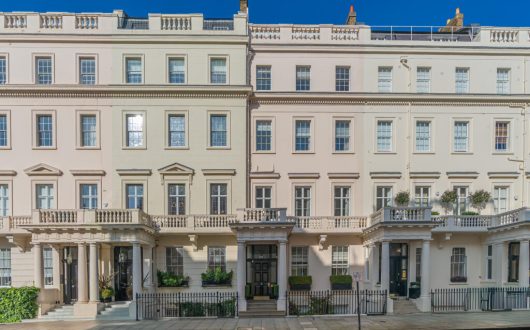
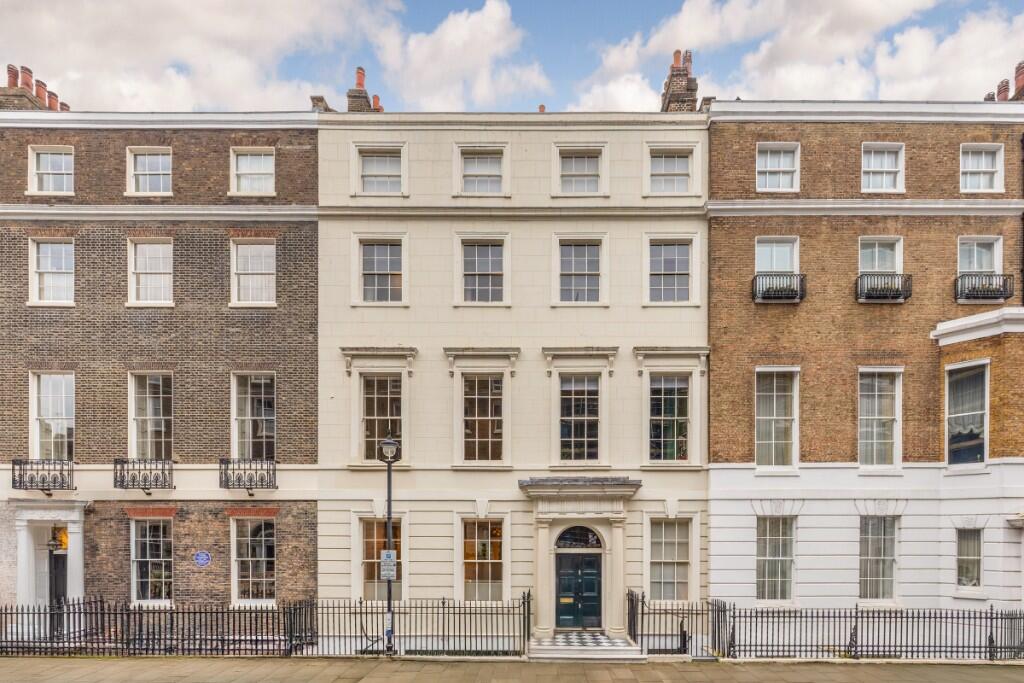
Marylebone is located in Central London, firmly within Zone 1, bordered by Oxford Street, Regent’s Park, Baker Street, and Fitzrovia. Despite its central location, the neighbourhood retains a relaxed, residential feel, often described as a village in the heart of London. Developed in the 18th century, Marylebone is characterised by its Georgian terraces, historic garden squares, and cobbled mews streets, which give the area its distinctive charm and elegance.
For those unfamiliar with the area, Marylebone offers a rare combination of tranquillity and connectivity. It is a neighbourhood where you can enjoy the peace of a residential street while being just minutes away from the vibrant energy of central London.
Lifestyle Highlights
Shopping and Culture
Marylebone High Street is widely considered one of the best shopping streets in London. Instead of large chain stores, it is filled with independent boutiques and specialist shops. Local favourites include Daunt Books, one of the most beautiful bookshops in the world, The Conran Shop, artisan cafés, and specialty food shops like Ginger Pig. This gives the neighbourhood a curated, sophisticated style without the stuffiness of neighbouring Mayfair.
Marylebone also has an exceptional cultural scene. Within a few streets, you will find the Wallace Collection, one of London’s great museums housed inside a historic townhouse, and Wigmore Hall, one of the world’s leading chamber music venues. For residents who enjoy art, music, and culture, the area is incredibly rich.
Dining and Green Spaces
Marylebone has quietly become one of London’s best food neighbourhoods. Restaurants such as Trishna, AngloThai, and Delamina attract diners from across the city. You will also find refined gastropubs, excellent cafés, and a great Sunday farmers’ market. For people who enjoy dining out, the area is hard to beat.
Another major advantage is access to green spaces. Marylebone sits between two of London’s most beautiful Royal Parks: Regent’s Park, about ten minutes away, and Hyde Park, about fifteen minutes away. This proximity allows residents to enjoy morning runs, outdoor theatre, boating lakes, and tennis courts, all within walking distance.
Property Market Insights
Marylebone is firmly part of Prime Central London’s property market. Most homes here fall into four categories: Georgian townhouses, charming cobbled mews houses, Victorian mansion block apartments, and limited modern luxury developments. Apartments dominate the market, although the neighbourhood also features some of London’s most elegant period houses.
Average property prices are currently around £1.3 million, and buyers often evaluate value in terms of price per square foot. In Marylebone, that typically ranges from around £1,400 to £1,800 per square foot, although exceptional properties can exceed £2,000 per square foot depending on the building, street, and condition. For many buyers, Marylebone offers a rare combination of historic architecture and a walkable central London lifestyle.
The Pros and Cons of Living in Marylebone
Marylebone offers a unique combination of advantages that make it one of London’s most desirable neighbourhoods. The village atmosphere in the heart of central London is perhaps its greatest draw, with inner streets that feel calm and residential despite the Zone 1 location. Walkability is another major benefit, as residents can easily reach Regent’s Park, Soho, Mayfair, and Oxford Street on foot. The cultural and dining scene is exceptionally rich, with world-class museums like the Wallace Collection, renowned music venues such as Wigmore Hall, and some of London’s finest restaurants all within a few streets. The prestige of a Marylebone address cannot be overstated, as it is considered one of London’s most elegant residential locations.
However, these advantages come with certain trade-offs that prospective residents should consider. Property prices in Marylebone are among the highest in London, with £1 million typically purchasing between 550 and 700 square feet of space, while £2 million might secure just over 1,000 square feet. The neighbourhood’s historic character and relatively small size mean that new development is limited, which can restrict housing supply. Some areas near major thoroughfares like Marylebone Road and Oxford Street can experience higher noise levels. Compared to neighbourhoods like Kensington or Hampstead, properties in Marylebone can sometimes be more compact, as buyers often find themselves trading space for the prime location.
Who This Area Is Best For
Marylebone tends to attract professionals working in finance, media, or medicine, international buyers looking for a central London base, and couples who value culture and walkability. It is ideal for people who want central London convenience but still a neighbourhood atmosphere. The area’s blend of elegance, culture, and accessibility makes it particularly appealing to those who prioritise lifestyle and prestige.
Conclusion
Marylebone is elegant, cultural, incredibly central, and for many buyers, it represents the ideal London lifestyle. While property prices are high, the area’s elegance, culture, and lifestyle make it a worthwhile investment.
For personalised advice or to explore properties in Marylebone, contact the Onyx Property Team today. We specialise in helping international clients navigate the London property market with confidence.