Moving to London? Here’s What You Really Need to Know


I’ve been living in London for almost 15 years now, and if I could do it all over again, these are the ten things I wish someone had told me before I packed my bags.
As an American who moved here for a job opportunity and fell so deeply in love with this city that I never left, I’ve learned these lessons the hard way.
Now, as a property consultant specializing in helping clients buy, relocate, and invest in London, I get to use both my professional expertise and personal experience to guide others on this exciting journey.
Whether you’re dreaming of living abroad or already planning your move, this guide will save you months of trial and error – and potentially thousands of pounds.
| Transportation Reality Check The Car Myth: Why You Don’t Need One Here’s the truth that surprises most Americans: owning a car in central London isn’t just unnecessary – it’s expensive and stressful. Parking costs run £200-400 per month, the congestion charge adds £15 per day, and finding a parking spot can take longer than your actual journey. London, like many European capitals, has a thriving and robust transportation system. Transport for London recorded almost 3.6 billion passenger journeys in fiscal year 2023/24 – that’s a 9% increase from the previous year. This massive system works because Londoners rely on it completely. Understanding the Zone System London is divided into 9 zones, with Zone 1 being central London. A monthly Travelcard for Zones 1-2 costs £156, but if you live in Zone 4, you’re looking at £234 per month. Understanding this before you choose where to live can save you hundreds. The good news? With contactless payment on your phone or credit card, traveling is super easy – just tap in and out at stations. Pro Tip: Londoners walk everywhere. The average commute includes a 10-minute walk each way, and many people walk 20-30 minutes instead of taking transport for short journeys. Download Citymapper before you arrive – it’s the ultimate London transport app that every local uses. Personal note: I use Zipcar when I really need a car, which is budget-friendly and great for trips outside the city or when I have lots of packages to handle. |
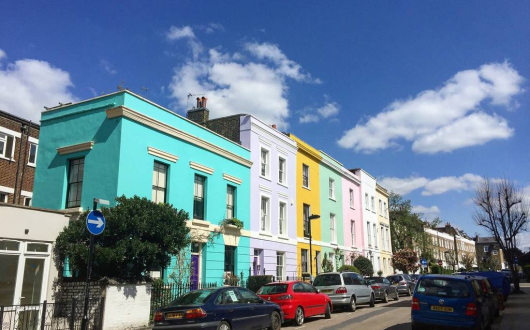
 Finding Your Perfect Neighbourhood London has so many incredible places to live, and each has a unique energy, vibe, and profile. Here’s where to start your search: For Young Professionals: Clapham (South London): Buzzing nightlife and great transport links – expect £2,200-2,800/month for a one-bedroom Shoreditch: The creative hub with trendy bars and restaurants, near Liverpool Street’s financial services jobs King’s Cross: Transformed modern business district with excellent connectivity and easy access to Paris via Eurostar For Families: Richmond (South London): Village charm with great schools and green spaces – £3,000-6,000/month for family homes St. John’s Wood: Highly appealing to Americans as it’s home to the American School in London For Budget-Conscious Buyers: Peckham (Southeast): Up-and-coming area with an amazing food scene Walthamstow (North): Great value with Victoria Line connection For Luxury Seekers: Kensington, Chelsea, and Notting Hill offer London’s premium lifestyle – but you’ll pay for it. 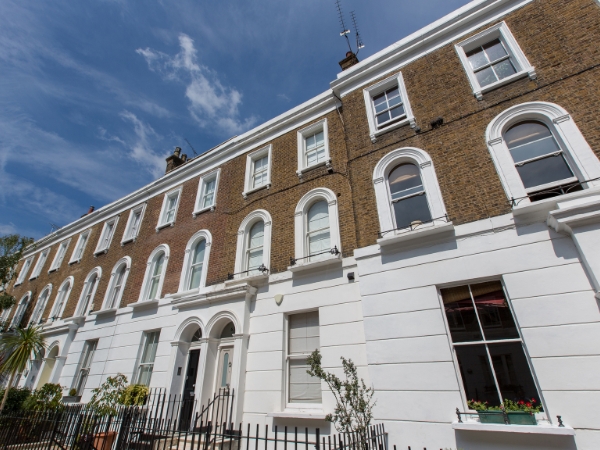 The Rental Reality What You Need to Budget: Starting monthly rent ranges from £1,500 in some Zone 2 locations to £3,500+ in prime central London. This is just the entry point – we manage 2-bedroom flats in Knightsbridge at £6,000 per month. Sources: Statista Average Rental Costs | Londonist Borough Guide Flat Viewing Tips: Properties go fast. If you see something you like, don’t delay putting in an offer. Make sure your finances and Right to Rent documentation are in place. When your offer is accepted, you’ll go through a tenant referencing process, so come prepared with references, bank statements, and deposit ready. Red flags to watch for: No proper tenancy agreement, cash-only deposits, or pressure to decide immediately. Understanding UK Rental Law: Since 2019, you’ll typically pay first month’s rent plus a deposit (capped at 5 weeks’ rent) with no broker fees – though watch for admin fees. However, if you can’t pass tenant referencing due to lack of UK presence, be prepared to potentially pay 6-12 months rent in advance.  Legal & Admin Essentials Getting Set Up: Visa Requirements: If you’re from the US, you’ll likely need a work visa, spouse visa, or investor visa. Start your application 3-6 months before moving. National Insurance Number: You cannot work or access benefits without one. Book your appointment online as soon as you arrive – it takes 2-3 weeks to get the appointment, then another 2-3 weeks to receive your number. Bank Account Setup: Here’s the catch-22: banks want proof of address, but landlords want proof of income from a UK bank. Bring bank statements from your home country, utility bills, and employment contracts. Monzo, Starling, and Revolut are easier for newcomers. GP Registration: Register with a local GP immediately – it’s free under the NHS, but you need to be registered to access healthcare. Bring passport, proof of address, and any medical records. Council Tax: This isn’t included in your rent. It’s a local tax funding services, ranging from £1,000-3,000+ annually depending on your property and borough. Students are exempt. Cultural Insights Queue Culture: Queueing is sacred in Britain. Never skip, always wait your turn. If you’re unsure if there’s a queue, ask “Are you in the queue?” It’s a cultural cornerstone. Pub Etiquette: When drinking with British colleagues or friends, you buy drinks in “rounds” – everyone takes turns buying for the group. Don’t try to buy your own drink when someone offers to get a round. Weather Reality: London gets 157 rainy days per year on average. Invest in a quality umbrella and waterproof jacket. Layering is key – I typically have both an umbrella and sunglasses packed for many days. Small Talk Topics: Weather is always acceptable. Football (soccer) is huge. Avoid asking about salary, house prices, or being too personal too quickly. British people value privacy. Tipping Culture: 10-15% at restaurants if service charge isn’t included. Round up taxi fares. No tipping in pubs.  Money Matters Cost of Living Reality: London is expensive, though I find food more affordable here than in many parts of America. Budget for: Coffee: £3-4 Lunch: £8-12 Dinner out: £25-50 per person Groceries for one: £60-80 per week Banking Differences: UK banking runs on direct debits and standing orders. Set up automatic payments for everything. Most employers pay monthly, not bi-weekly like the US. Cashless Society: London has moved to be almost entirely cashless. Even street performers now accept card payments. Shopping Strategy: Tesco and Sainsbury’s for everyday groceries, Waitrose for premium, Aldi & Lidl for serious budget savings. Most areas have local markets for fresh produce and character. Essential Budget Item: Council tax, utilities, and internet aren’t included in rent. Budget an extra £200-300 monthly for these basics. Emergency Fund: Keep 3-6 months’ expenses saved. London moves fast, and having cash available for deposits, emergencies, or opportunities is crucial.  Lifestyle & Entertainment Pub Culture: Pubs are where Londoners socialise after work and on weekends. Don’t expect table service – you order at the bar. Sunday roast at a pub is a British institution worth experiencing. Seasonal Events: London offers year-round entertainment for sporting fans and culture lovers: Premier League football and local clubs Notting Hill Carnival (August) Winter Wonderland in Hyde Park (Christmas) Chelsea Flower Show (May) Wimbledon tennis (June/July) Free Activities: London has world-class museums, most of which are free: British Museum, Tate Modern, National Gallery. Exhibition Road in South Kensington has the V&A Museum, Science Museum, and Natural History Museum – you could spend a week there. Special exhibitions may cost, but general exhibitions are free. Theatre & Arts: West End shows are world-class. Book in advance or try day-of lottery tickets. The South Bank has free events year-round. Green Space: Hyde Park, Regent’s Park, and Hampstead Heath offer beautiful escapes. Many churches host free lunchtime concerts.  Professional Life Networking Culture: London’s business culture is more formal than many places. LinkedIn is crucial – connect with colleagues and attend industry meetups. Networking often happens in pubs after work. Work-Life Balance: UK law mandates 28 days annual leave minimum. Mental health days are increasingly accepted. The “right to disconnect” culture is growing. After-Work Drinks: Thursday and/or Friday drinks are standard in most offices. It’s where relationships build and opportunities emerge. You don’t have to drink alcohol, but showing up matters. Dress Codes: London business dress is generally more formal than US tech companies but less formal than traditional banking. Invest in a good coat – you’ll wear it 6 months a year.  London is an incredible city that rewards those who come prepared. These ten points will save you months of trial and error and potentially thousands of pounds. Moving to London is a big step, but London welcomes newcomers who come prepared – and now you are. |