Your Complete Guide to London Property in 2026

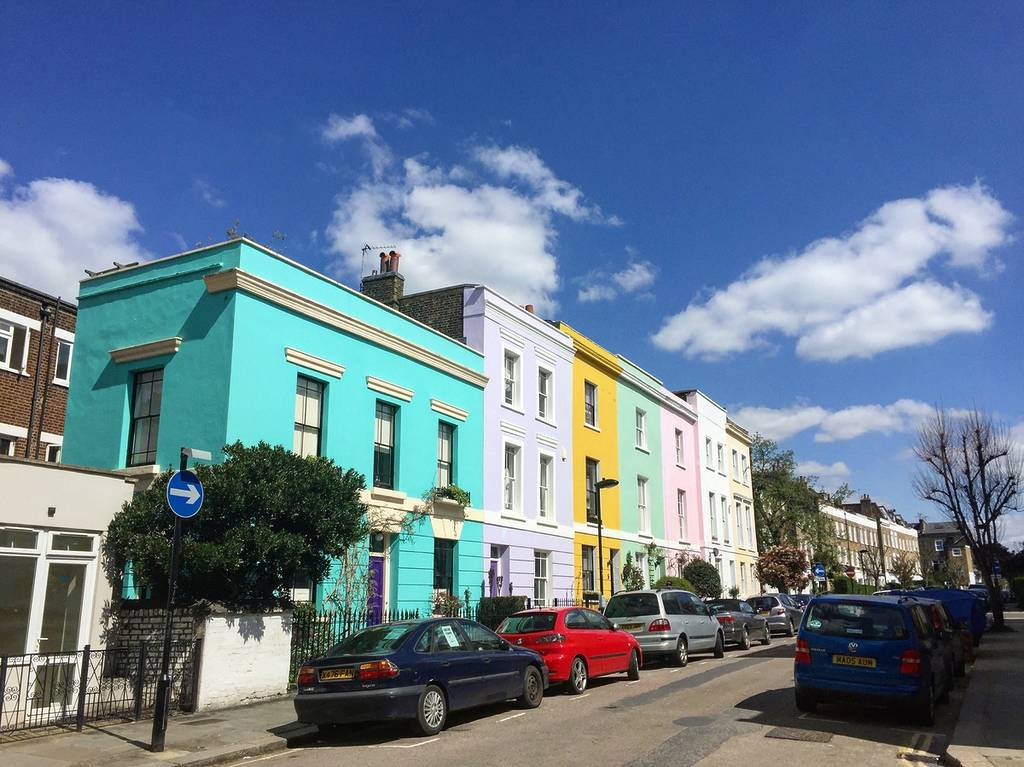
As we approach 2026, London’s property landscape is experiencing transformational change. Whether you’re considering your first London purchase, expanding your portfolio, or managing existing investments, understanding what’s ahead is crucial to making informed decisions.
I’ve compiled this comprehensive guide to help you navigate the opportunities and regulatory shifts that will define London property in 2026. Let me walk you through everything you need to know.
Critical Legal Changes Coming in 2026
The regulatory environment is evolving rapidly, and staying informed is essential to protecting your investment.
Making Tax Digital (MTD) for Income Tax
Starting April 6, 2026, a fundamental shift in tax reporting begins:
- If you earn over £50,000 from property and other qualifying income, you’ll need to submit quarterly digital updates to HMRC
- If you earn £30,000-£50,000, compliance begins in April 2027
- This marks the end of annual tax submissions for rental income
What this means for you: Now is the time to ensure your accounting systems are digital-ready and consider whether you need professional support to manage quarterly reporting.
The Renters’ Reform Bill: A Complete Overhaul
This legislation represents the most significant change to landlord-tenant relationships in decades:
No More Section 21 (“No-Fault”) Evictions The controversial Section 21 eviction process is being abolished. Landlords will need to rely on specific grounds for possession, fundamentally changing how you approach tenancy management.
New Tenancy Structure Fixed-term Assured Shorthold Tenancies (ASTs) are being replaced with a single, rolling periodic tenancy model. This gives tenants greater flexibility and security while requiring landlords to adapt their strategies.
Rent Increase Restrictions You’ll generally be limited to one rent increase per year, with new mechanisms allowing tenants to challenge excessive rises. Plan your rental pricing strategy accordingly.
Fairness Requirements Blanket bans on tenants with children or those receiving benefits will be restricted. Your tenant selection process must be based on individual circumstances, not categorical exclusions.
Energy Performance Requirements
From 2026, all new tenancies must achieve a minimum EPC rating of C. Existing tenancies have until 2028 to comply.
What this means for you: If your properties currently rate below C, you’ll need to invest in improvements. Factor these costs into your financial planning now—upgrades can range from simple insulation improvements to more significant system replacements.
Property Standards and Safety
Awaab’s Law, initially targeting social housing, sets statutory timeframes for addressing serious hazards like damp and mould. Extensions to the private rented sector are expected in coming years.
The Decent Homes Standard is also anticipated to extend to private rentals, establishing minimum safety and quality benchmarks across the sector.
Additional Changes to Note
- A dedicated Ombudsman for the private rented sector is being established to resolve landlord-tenant disputes
- Bidding wars are banned: letting agents must market properties with a single, transparent asking price
- The London Plan is being updated in collaboration with boroughs, significantly influencing future housing development and planning policy
My advice: These aren’t just regulatory hurdles—they’re opportunities to elevate your properties and positioning in a more professional, tenant-focused market. Those who adapt early will have a competitive advantage.
Where Smart Money is Moving in 2026
While others chase the same traditional postcodes, informed investors are identifying emerging hotspots with exceptional growth potential. Here’s where I’m watching closely:
Outer Borough Opportunities
Barking & Dagenham One of London’s most affordable boroughs with extraordinary value potential. The Barking Riverside project is delivering thousands of new homes alongside schools and community facilities. Strategic location and infrastructure improvements are driving property values upward, with strong rental demand creating attractive yields.
Croydon High connectivity and affordability compared to central London are attracting young professionals in increasing numbers. Transport links and ongoing regeneration are creating robust rental absorption—excellent for yield-focused strategies.
Newham (Stratford & Olympic Park) The transformation continues well beyond the 2012 Olympics. Major developments include Thameside West (5,000 homes), TwelveTrees Park (3,800 units), and Silvertown Quays (3,000+ homes). Well-connected transport, modern housing, and vibrant cultural institutions make this one of London’s fastest-growing areas.
North London Hotspots
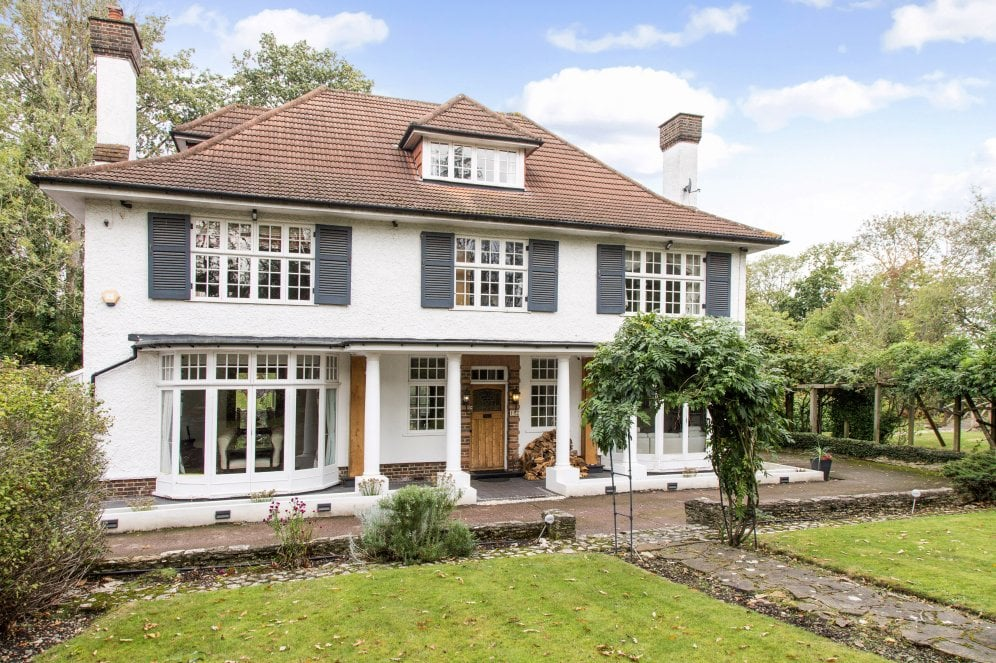
Tottenham A £1 billion regeneration is underway, with plans for 5,000 new homes in Tottenham Hale. Victoria Line connections to central London are excellent, yet prices remain relatively affordable compared to established North London areas. With Crossrail 2 in the pipeline, connectivity will only improve. Strong rental yields are attracting professionals and young families alike.
Finsbury Park This vibrant community offers excellent transport connections and growing appeal among young professionals seeking character and convenience.
East London Transformation Zones
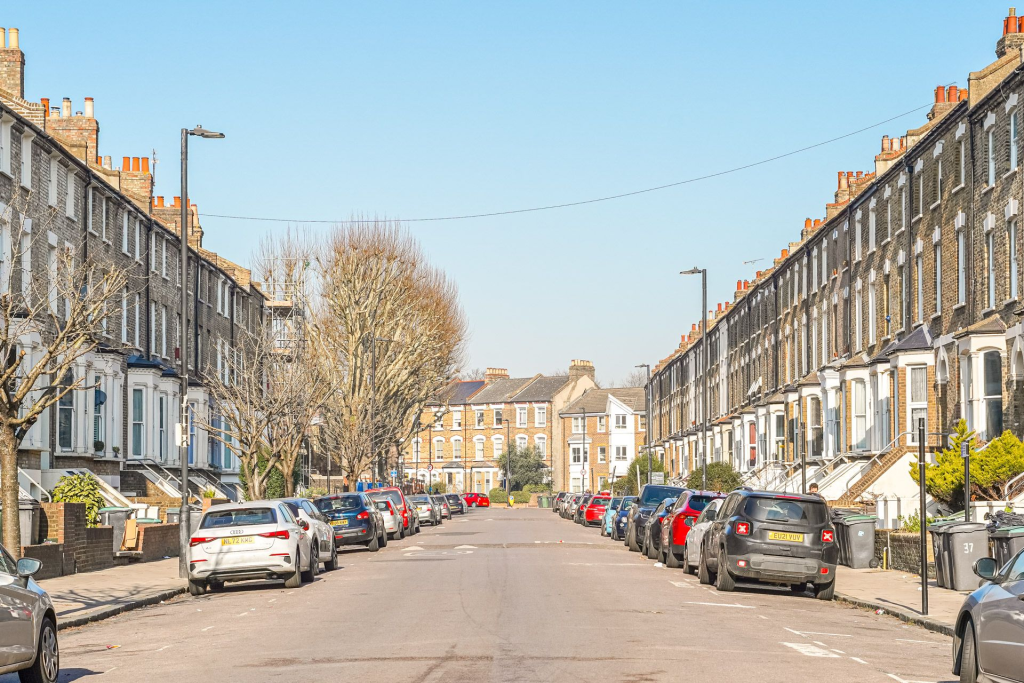
Tower Hamlets (Canary Wharf Area) The £500 million multi-phase Blackwall Reach regeneration scheme is delivering new luxury buildings near Canary Wharf’s business district. Expect high, steady returns and long-term growth potential as professional renters seek proximity to major employment hubs.
Poplar This rapidly emerging hotspot near Canary Wharf features modern riverside developments like Poplar Riverside by Berkeley. Excellent DLR and Underground connectivity make this attractive for investors seeking strong yields and growth in tandem.
Leyton Ideal for long-term investment strategies with its community vibe, solid transportation links, and leisure attractions. Affordable housing prices today offer significant future growth potential.
Walthamstow Family-friendly with excellent schools and amenities, Walthamstow’s vibrant community feel is enhanced by green spaces like Lloyd Park. Rising housing costs reflect its increasing attractiveness to buyers and renters.

West London Opportunities
White City An £8 billion regeneration scheme is transforming this area, home to Westfield, Imperial College, and BBC Studioworks. The White City Living development offers strong rental yields and capital growth potential with easy access to the West End.
Acton Crossrail (Elizabeth Line) connections have significantly boosted this area’s appeal. A £600 million regeneration includes new residential developments and infrastructure improvements, providing fast links to the West End, Canary Wharf, and Heathrow Airport. The growing number of independent cafes, restaurants, and green spaces adds lifestyle appeal.
Hayes Major transformation of former industrial sites, including the Hayes Village development, combines with proximity to Crossrail and Heathrow Airport. Projections suggest nearly 20% house price growth over the next five years, with diverse appeal for students, professionals, and families.
South London Prospects
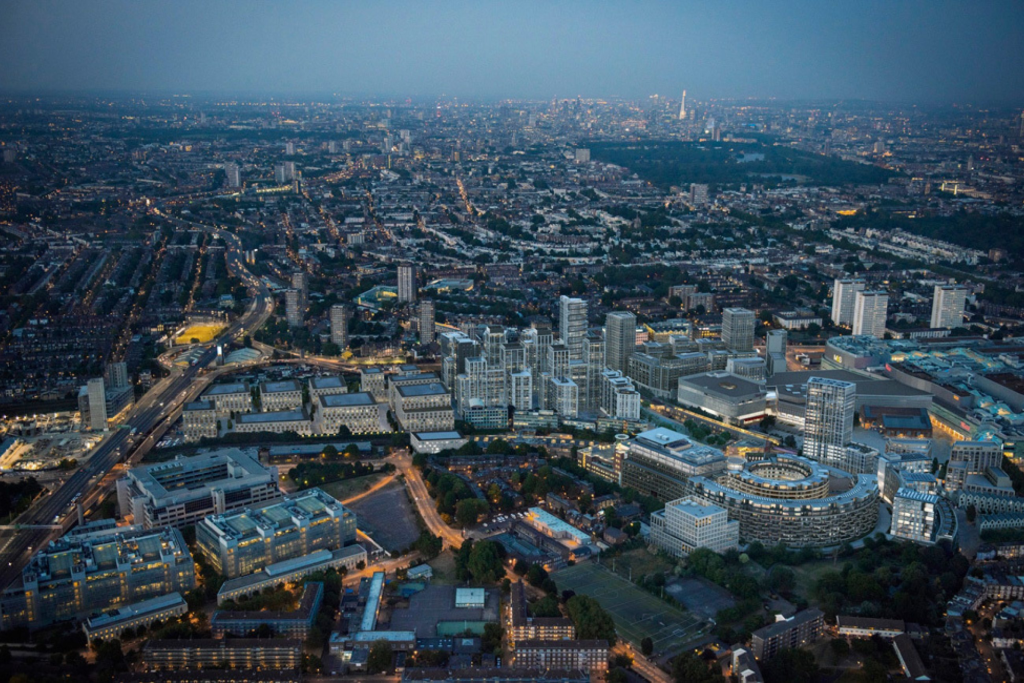
Peckham Ideal for young professionals and families. Peckham is known for cultural activities, diverse food scenes, and genuine community spirit. The real estate market continues climbing, with a growing rental sector offering substantial returns.
Lewisham Relatively low property prices meet high rental demand in this steadily emerging investor haven.
Woolwich This historic neighbourhood blends heritage with modern housing. Improved transport infrastructure, including the Elizabeth Line, strengthens regeneration prospects considerably.
Bermondsey A South East London area transformed into a highly sought-after destination, appealing equally to investors and residents seeking riverside living and Borough Market proximity.
Clapham The perfect blend of green spaces and central London access. Clapham Junction offers excellent connectivity, making this popular with international investors. Expect strong rental and capital growth potential.
Wandsworth This dynamic area benefits from Thames proximity, direct rail services to Waterloo, and District Line access. Ongoing regeneration promises strong rental yields and capital appreciation.

Premium & Established Markets
Prime Central London (Mayfair, Kensington, Knightsbridge) Continued demand from high-net-worth individuals ensures capital stability and liquidity. Overseas investor interest persists despite economic headwinds, though this market requires significant capital and patience.
Camden & Kentish Town Newly gentrified wards are experiencing spillover from traditional luxury areas, offering a more accessible entry point to premium North London living.
Major Developments Completing in 2026
These significant projects will reshape various London neighbourhoods:
Key Residential Completions
- Tribeca, St Pancras Way (NW1): Final phase of this significant mixed-use development
- The Clearings, Chelsea: Established Royal Borough location near South Kensington
- One Clapham Junction: Award-winning development (Q2 2026)
- Rivermark, Poplar (E14): 1, 2, and 3-bedroom modern apartments alongside River Lea
- Fulton & Fifth, Wembley Park: Modern apartments with landscaped gardens (Q4 2026)
- Church Street Regeneration: Approximately 1,750 high-quality new homes with greener, more accessible spaces (Q4 2026)
- 1 Mayfair: New landmark address with peerless architecture (Q1 2026)
- The Cundy Street Quarter: Low-carbon transformation (Q1 2026)
Commercial & Mixed-Use Developments
- Broadgate Tower: 34-storey tower undergoing significant redevelopment with three-storey extension and enhanced amenity floors (late 2026)
- Helical Office Portfolio: Over 465,000 sq ft of London office space with strong sustainability credentials
Transformational Projects
Canada Water Masterplan The first new town centre in London in 50 years is taking shape on this 53-acre site. Plans include 2,000-4,000 new homes, up to 2 million sq ft of workspace, a new high street and town square. The Founding, a flagship residence with 186 apartments in a 35-storey building, leads the way. The target: a net-zero neighbourhood by 2031.
The OWO (Old War Office) This historic building transformation includes a Raffles hotel, 85 branded residences, nine restaurants, spa, health club, and 620-capacity ballroom—luxury heritage living at its finest.
Postmark (Mount Pleasant) 681 apartments on a historic Royal Mail sorting office site, featuring a new Wellness Centre with pool, sauna, steam room, treatment room, and gym.

Market Overview & Investment Strategy
Current Market Fundamentals
Pricing: The average Greater London property price sits at approximately £546,000 (Q2 2025), with moderate, steady appreciation expected for 2026. Outer boroughs like Croydon, Barking & Dagenham, and Southall are leading growth.
Rental Market: The rental segment is showing double-digit growth, creating strong yield-driven opportunities. Rental values are accelerating even as sales stabilize.
Investment Focus: Current market conditions favour yield over capital appreciation in the near term. Transport-oriented outer boroughs offer the best value, while regeneration-linked growth areas present prime investment opportunities with long-term tenancy stability.
Strategic Considerations
Regulatory Pressures: EPC requirements and Section 21 changes will increase compliance costs. Factor these expenses into your long-term viability assessments. The potential for council tax valuation band reforms also warrants attention.
Transport Infrastructure: Crossrail expansion continues alongside cycling infrastructure improvements, boosting fringe district accessibility. Post-pandemic commuting patterns continue to evolve, creating new demand hotspots.
International Investment: We’re seeing a gradual return to pre-Brexit investment levels, supported by currency advantages and the UK’s legal transparency. Easing visa-related barriers and particular interest in Prime Central London and institutional rental portfolios signal growing international confidence.
My Perspective: How to Approach 2026
Current Market Fundamentals
Having worked as a real estate investment banker for over a decade and now as a property investor and advisor in London, I see 2026 as a year of strategic opportunity for those who prepare thoughtfully.
The regulatory changes, while substantial, are creating a more professional, transparent market. Properties that meet higher standards will command premium rents and valuations. Areas benefiting from infrastructure investment and regeneration offer compelling value compared to established prime markets.
My advice:
- Get ahead of EPC requirements now rather than scrambling in 2028
- Focus on areas with strong transport connectivity and regeneration momentum
- Build relationships with quality tenants as the new tenancy structure rewards long-term stability
- Consider yield as much as capital growth in current market conditions
- Think globally—London remains one of the world’s most transparent, liquid property markets
Whether you’re buying your first London home, relocating from overseas, or expanding an investment portfolio, understanding these dynamics is essential to making informed decisions.